Garden Maintenance in Millbank: Keeping Urban Outdoor Spaces Healthy, Stylish, and Easy to Enjoy
Garden maintenance in Millbank is about much more than simply mowing grass or trimming a few plants. In a neighborhood where outdoor spaces often balance elegance, practicality, and limited square footage, a well-kept garden can transform a property. Whether you have a private courtyard, a communal green space, a terrace garden, or a traditional front garden, regular care helps plants thrive, hard landscaping stay neat, and the whole area feel inviting throughout the year.
For many property owners, garden maintenance in Millbank is also about protecting value. A tidy, vibrant garden creates a positive first impression, supports plant health, and reduces the chance of bigger problems later on. Weeds, pests, compacted soil, and poor seasonal planning can quickly turn a pleasant space into a high-maintenance headache. With the right routine, however, your garden can remain lush, attractive, and easy to manage.
Millbank’s setting brings its own challenges and opportunities. Urban conditions, shaded areas, sheltered courtyards, and changes in weather can all influence how a garden grows. That is why garden maintenance in Millbank needs to be tailored rather than generic. From soil improvement and planting choices to pruning schedules and lawn care, every detail matters if you want long-lasting results.
Why Garden Maintenance in Millbank Matters All Year Round

Consistent garden maintenance in Millbank keeps outdoor areas looking cared for in every season. In spring, it encourages fresh growth and helps prepare beds for planting. In summer, it protects against heat stress, overcrowding, and water loss. In autumn, it clears fallen leaves and reduces disease risk. In winter, it supports structure and keeps the garden ready for the next burst of growth.
Many gardens in Millbank experience a mix of sun, partial shade, and wind exposure, especially in built-up streets and enclosed spaces. This makes regular maintenance especially important because plants respond quickly to changing conditions. A neglected space can soon suffer from poor airflow, moss, patchy lawns, and tired borders. With planned garden maintenance in Millbank, these issues can be prevented before they become expensive to fix.
There is also a visual advantage. A neat garden makes the entire property look more polished, even when the outdoor area is small. Well-maintained hedges, clean edging, healthy turf, and vibrant planting beds all contribute to a sense of order. For homeowners, landlords, and businesses alike, garden maintenance in Millbank supports curb appeal and makes outdoor areas more enjoyable to use.
Core Elements of Effective Garden Maintenance in Millbank

Successful garden maintenance in Millbank usually combines several essential tasks. These include lawn care, pruning, weed control, soil improvement, seasonal planting, pest monitoring, and regular cleaning. Each task plays a role in keeping the garden balanced and attractive. When these jobs are carried out routinely, the garden stays healthier and easier to manage.
Lawn care is one of the most visible parts of maintenance. Mowing at the right height, feeding when needed, aerating compacted soil, and repairing bare patches all help create a stronger lawn. In Millbank, lawns may be small but they still need attention because urban foot traffic and varying light levels can affect growth. Garden maintenance in Millbank should always include a lawn plan suited to the space.
Pruning is equally important. Shrubs, climbers, and hedges need regular shaping to encourage healthy development and prevent overgrowth. Proper pruning also improves air circulation and allows more light into shaded areas. This is especially useful in Millbank, where neighboring buildings can limit sunlight. Garden maintenance in Millbank often depends on precise pruning that respects each plant’s natural growth pattern.
Seasonal Garden Maintenance in Millbank
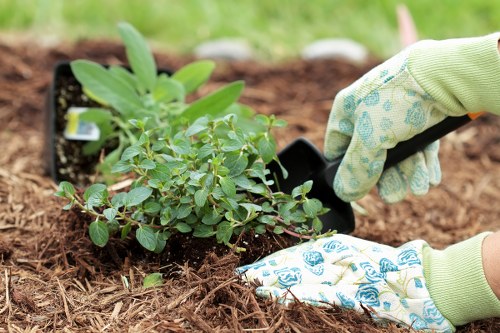
Every season brings different priorities, which is why garden maintenance in Millbank should adapt across the year. Spring is the best time to refresh beds, feed lawns, divide perennials, and prepare for new planting. It is also a good moment to check for winter damage and remove dead material that may have built up over colder months.
Summer maintenance focuses on watering, deadheading, trimming, and keeping weeds under control. Plants in containers and smaller beds often dry out quickly, so regular watering becomes essential. Because Millbank gardens can include paved areas and exposed planters, moisture management is a key part of garden maintenance in Millbank during warm weather.
In autumn, leaf clearance becomes a priority. Falling leaves can smother lawns, clog drains, and create slippery surfaces. Autumn is also the right time to tidy borders, mulch beds, and plant spring bulbs. Many property owners in Millbank find that autumn garden maintenance in Millbank sets the stage for a stronger, healthier garden in the following year.
Winter maintenance is often lighter but still important. Structural pruning, protection for tender plants, and checking for damage after storms can make a major difference. Even when growth slows, garden maintenance in Millbank should continue to keep paths clear, containers secure, and planting areas tidy. A little attention in winter prevents bigger problems when spring returns.
Soil Health and Planting Success in Millbank
Healthy soil is the foundation of good garden maintenance in Millbank. Without fertile, well-structured soil, plants struggle to establish strong roots and produce lasting growth. Urban soils may become compacted, nutrient-poor, or contaminated by years of limited use. That is why assessing and improving soil should be part of every maintenance routine.
Adding organic matter, compost, and mulch helps restore soil vitality. These materials improve moisture retention, support beneficial organisms, and gradually release nutrients. In a city environment, this can be especially valuable because gardens often face drier conditions than rural spaces. Garden maintenance in Millbank should include regular soil enrichment to keep beds productive and resilient.
Plant selection also matters. Not every plant performs well in every part of Millbank. Shaded courtyards, sunny terraces, and sheltered patios each have different needs. Choosing the right shrubs, climbers, perennials, and seasonal flowers makes maintenance easier and reduces plant stress. Garden maintenance in Millbank becomes far more efficient when plants are matched to the available light, soil, and shelter conditions.
Weed Control, Pest Management, and Disease Prevention

Weeds can quickly take advantage of neglected spaces, competing with desirable plants for light, water, and nutrients. Regular weeding is one of the simplest ways to keep garden maintenance in Millbank effective. Removing weeds before they seed helps prevent future outbreaks and keeps planting areas cleaner. For larger beds, mulch can also suppress weed growth and reduce the amount of time spent on repetitive tasks.
Pest management is another important part of garden maintenance in Millbank. Common problems may include aphids, slugs, snails, vine weevils, and fungal issues. Early detection is key. By checking plants regularly, gardeners can identify damage before it spreads. Healthy, well-watered, properly spaced plants are usually more resistant to pests, which is another reason why routine maintenance pays off.
Disease prevention should never be overlooked. Overcrowded plants, poor airflow, and wet foliage can all encourage fungal problems. Tidying away fallen leaves and cutting back infected material can reduce the risk of spread. In Millbank, where gardens may sit close together and airflow can be limited, disease control is especially relevant. Garden maintenance in Millbank works best when the overall health of the garden is monitored, not just its appearance.
Lawn Care Strategies for Millbank Gardens
A strong lawn can be the centerpiece of a garden, even in a smaller urban setting. Garden maintenance in Millbank should include a lawn care schedule that reflects the local conditions and the use of the space. Some lawns are purely decorative, while others receive heavy foot traffic from families, guests, or residents. The level of care should match the amount of use.
Regular mowing keeps the grass neat and encourages even growth. However, cutting too short can stress the lawn and make it more vulnerable to weeds and drought. The ideal mowing height depends on the season, grass type, and local conditions. In many cases, garden maintenance in Millbank benefits from slightly higher mowing during warm weather because it helps shade the soil and conserve moisture.
Feeding, edging, and aeration are also valuable. Fertilizer supports steady growth, clean edging improves the overall appearance, and aeration helps relieve compaction. If patchy areas appear, overseeding can restore density and create a more uniform surface. Good lawn care is one of the most noticeable aspects of garden maintenance in Millbank because it immediately changes how the whole garden feels.
For lawns in shaded areas, it may be necessary to accept slower growth and choose more suitable grass mixes. Not every patch of turf in Millbank will behave the same way. That is why effective garden maintenance in Millbank includes observation, adjustment, and realistic expectations rather than a one-size-fits-all approach.
Useful lawn care tasks to include
- Mow regularly but avoid cutting too low
- Edge borders for a sharper finish
- Aerate compacted sections once or twice a year
- Apply seasonal feed where needed
- Repair bare patches before weeds spread
Hedging, Shrub Care, and Structural Planting

Hedges and shrubs often provide the structure that holds a garden together. In Millbank, where space can be limited, these plants can also offer privacy, soften hard surfaces, and create year-round interest. Routine trimming and shaping are therefore essential parts of garden maintenance in Millbank. Left unmanaged, hedges can become too dense, too tall, or uneven, reducing light and crowding nearby plants.
Different shrubs need different care. Flowering shrubs may need pruning after blooming, while evergreen hedges may require trimming at specific times to keep their form without removing too much growth. Proper timing is important because poor pruning can weaken plants or reduce next season’s flowers. Garden maintenance in Millbank should always take plant type into account before any cutting begins.
Climbers also deserve attention. Ivy, clematis, jasmine, and other climbing plants can be beautiful features, but they need support and occasional control. Regular tying-in, deadheading, and stem management keep them attractive and prevent them from overwhelming walls, fences, or nearby shrubs. A thoughtful approach to planting structure adds depth and elegance to garden maintenance in Millbank.
Container Gardening and Small-Space Maintenance
Many properties in Millbank rely on containers, raised planters, and compact outdoor layouts. These spaces can look stunning, but they require regular attention because pots dry out faster and nutrients wash away more quickly. Garden maintenance in Millbank for containers involves watering, feeding, deadheading, and repotting at the right times. Without this care, container plants can become root-bound, weak, or unbalanced.
Choosing the right containers and compost is just as important as choosing the plants. Large pots usually retain moisture better than small ones, and good drainage prevents root problems. In a city location, materials such as terracotta, stone, or lightweight composite planters can all work well depending on the style of the property. Garden maintenance in Millbank often includes refreshing container displays so they continue to suit the season and the surrounding architecture.
To keep container gardens attractive for longer, rotate seasonal planting and remove tired specimens before they decline. This keeps the overall look fresh and prevents wasted space. Small-space gardening may be compact, but it still benefits from the same principles as larger gardens: regular care, smart planning, and timely intervention.
Container care tips
- Check soil moisture frequently
- Use quality compost with slow-release nutrients
- Deadhead flowers to encourage repeat blooms
- Protect delicate pots from frost in winter
- Refresh soil and repot when plants outgrow their containers
Pathways, Patios, and Hard Landscaping Maintenance
Garden maintenance in Millbank is not only about plants. Paths, patios, fences, edging, and other hard surfaces also need care to keep the space safe and attractive. Algae, moss, fallen leaves, and dirt can make surfaces look tired and create slip hazards. Regular sweeping and pressure washing, where suitable, help maintain a clean appearance and reduce the risk of accidents.
Edging is another small detail with a big impact. Crisp borders between lawn, beds, and paving make the garden look more refined. Over time, edges can blur as grass spreads and soil shifts. Restoring these lines is a simple but effective part of garden maintenance in Millbank. It gives the whole outdoor space a more deliberate, well-managed look.
Fences, trellises, and raised beds should also be inspected for wear. Timber can weather, loosen, or rot over time, especially in damp conditions. By staying on top of repairs, property owners can protect their gardens from preventable deterioration. In practice, garden maintenance in Millbank works best when every part of the outdoor space is treated as part of the same system.
Lighting, drainage, and decorative features also deserve periodic checks. A blocked drain or broken fixture can affect how the garden functions and how safe it feels at night. Keeping these elements in good condition adds value to routine garden maintenance in Millbank and supports the long-term usability of the space.
Eco-Friendly Approaches to Garden Maintenance in Millbank
Sustainable practices are increasingly important in modern gardening. Many property owners now want garden maintenance in Millbank that supports biodiversity, reduces waste, and uses resources efficiently. This can include composting green waste, watering early or late in the day to reduce evaporation, and choosing plants that suit the local climate without needing excessive intervention.
Mulching is one of the simplest eco-friendly techniques. It helps retain moisture, suppress weeds, and improve soil structure over time. Rainwater harvesting can also support efficient watering, especially for container plants and newly planted beds. These small adjustments can make garden maintenance in Millbank more environmentally responsible without compromising appearance.
Biodiversity-friendly planting is another valuable approach. Pollinator plants, mixed borders, and shrubs that provide shelter for wildlife can make a garden more lively and resilient. Even in urban areas, green spaces can support bees, birds, and beneficial insects. Garden maintenance in Millbank does not need to be purely decorative; it can also contribute positively to the local ecosystem.
When Professional Support Makes Sense
Some garden owners enjoy maintaining their own spaces, while others prefer professional help. In many cases, the best choice is a mix of both. Professional garden maintenance in Millbank can be especially useful when time is limited, when the garden has complex planting, or when larger tasks such as hedge cutting, seasonal clearance, or turf restoration are needed.
Professional support can also help with planning. A skilled gardener can assess the condition of the soil, suggest suitable plants, recommend a maintenance schedule, and identify problems early. This kind of input is particularly helpful in Millbank because outdoor spaces may have unique lighting, drainage, or access conditions. Regular expert attention can make garden maintenance in Millbank more efficient and more cost-effective in the long run.
For busy households, landlords, and commercial properties, scheduled maintenance is often the simplest way to keep a garden looking its best. Rather than allowing tasks to build up, a routine approach keeps everything under control. If your goal is to protect the appearance and health of your outdoor space, book your service now and keep your garden on track through every season.
Common signs your garden needs attention
- Overgrown hedges or shrubs
- Patchy, dull, or mossy lawn areas
- Weeds spreading through beds or paving
- Potted plants drying out too quickly
- Fallen leaves and debris building up
- Signs of pests or disease on leaves and stems
Creating a Long-Term Garden Maintenance Plan in Millbank
Long-term success comes from consistency. A garden maintenance plan in Millbank should break tasks into weekly, monthly, and seasonal priorities so that no area is neglected. Weekly tasks might include mowing, watering, light weeding, and checking plant health. Monthly work may involve pruning, feeding, edging, and cleaning surfaces. Seasonal jobs can then focus on planting, mulching, soil care, and major tidy-ups.
This structured approach helps prevent overload and keeps the garden looking intentional rather than reactive. It is also easier on budgets and schedules because work is spread across the year. Garden maintenance in Millbank becomes much more manageable when there is a clear routine rather than occasional emergency intervention.
Above all, a long-term plan should reflect how the garden is actually used. A family garden, a quiet private courtyard, and a professional frontage each have different expectations. The best garden maintenance in Millbank is the kind that balances appearance, practicality, and plant health so the space remains beautiful and usable in the long term. Contact us today to take the next step toward a healthier, more attractive outdoor space.
When garden maintenance in Millbank is approached with care and consistency, the results are easy to see. Plants grow more strongly, outdoor areas feel more welcoming, and maintenance becomes less stressful over time. Whether you are improving a small urban terrace or managing a larger landscaped property, the right routine can make all the difference. By focusing on seasonal care, soil health, weed control, lawn treatment, pruning, and sustainable practices, you can keep your garden looking its best year after year.

